

Show Notes
Everybody wants a clean safety scorecard. Almost nobody asks whether the numbers are telling the truth. In this episode of Handled It, Joe Perkins and Brent Hillabrand sit down with Mark Hernandez, "Safety Mark," Carolina Handling's safety lead — to draw the line between a company that has a safety program and one that has a safety culture. The difference, as Mark puts it, is what happens on the floor when nobody is watching.
The conversation gets specific fast: why "zero near misses" almost always means someone is staying quiet, how the near-miss iceberg hides the real risk beneath the incidents you actually record, and why psychological safety is what gets a hazard raised instead of buried. From there it's a practical tour of what strong culture looks like day to day — observing instead of policing, treating associates as the experts, separating urgency from shortcuts when the shift is already behind, acting on ideas from the field, and the small leadership habits (floor presence, housekeeping, a daily check-in text) that add up. And Mark makes the case nobody wants to hear: the moment you hand safety to one person with a clipboard, you've started building a wall of silence.
In this episode, you will learn:
- Why a safety program lives on paper and a safety culture lives in behavior when no one's around
- Why "zero near misses" is a warning sign, not a win
- How the near-miss iceberg hides your real risk — and how to get it reported
- Why observing beats policing, and how curiosity gets the truth out of the floor
- How to separate urgency from shortcuts when you're short-staffed and behind • The leadership habits that quietly build (or break) a safety culture
- Why you can't outsource safety to one person with a clipboard
Your safety numbers aren't the story. What your people won't tell you is. Learn how to build a culture where hazards get raised instead of hidden — so everyone goes home better than they showed up.
Timestamps
00:00 What Is the Difference Between a Safety Program and a Safety Culture?
02:53 How Can You Tell if a Company Has a Strong Safety Culture?
07:11 Why Near-Miss Reporting Matters: The Safety Iceberg Explained
08:43 How Do You Break the "Tough Guy" Myth About Workplace Safety?
13:59 How to Balance Urgency and Safety When You're Short-Staffed
17:58 What Do Safety Leaders Notice First When Walking a Warehouse Floor?
25:49 Agree or Disagree: Pre-Shift Inspections, Near-Misses, and Safety Metrics
30:01 Why You Can't Outsource Safety to One Person (The Clipboard Problem)
Transcript
Nearly every company says safety is a priority. The difference shows up in how people work, how leaders respond to concerns, and what happens when production pressure rises.
In this episode of Handled It, the team welcomes Mark Hernandez to explore the difference between having a safety program and building a safety culture. The conversation covers near-miss reporting, leadership habits, shared accountability, and the everyday decisions that help people get home safely.
The Difference Between a Safety Program and a Safety Culture
A safety program establishes rules, procedures, and training requirements. A safety culture determines whether those commitments hold up when nobody is watching or when working safely takes more time.
Posters and completed checklists can support a program, but they do not tell the whole story. A stronger signal is how people actually work. Are they wearing the appropriate personal protective equipment? Are they keeping themselves out of the line of fire? Are forklift operators and pedestrians looking out for one another?
Mark starts by observing an operation from a distance. He looks at both what people are doing and why they are doing it. Following a procedure because someone is watching feels different from following it because people understand and share the commitment behind it.
The team discusses customer examples that make safety part of everyday operations. At Michelin, a meeting opened with a meaningful safety conversation even though safety was not the meeting's main subject. Mark also describes Amazon sites where Carolina Handling associates are expected to meet both their own company's standards and the customer's requirements.
Those moments show how safety becomes part of the way an organization works.
Start With Curiosity When Observing Work
Correcting an unsafe practice does not have to begin with an accusation. Marc approaches associates with questions about the work they are doing and the conditions they are working in.
The people performing a task are the subject matter experts in that work. Observing, listening, and asking questions helps a safety leader understand why a particular method has become common and where protection or procedures may be falling short.
Questions might include why a task is performed a certain way, when a particular glove is used, or what level of protection the work requires. If a practice does not meet the organization's standards, that becomes a conversation about the gap and how to address it.
Working alongside associates builds understanding and makes it easier to solve problems together. It also helps establish relationships that make people more willing to raise concerns.
Bring Near Misses Into the Conversation
Reported incidents are only part of the picture. Beneath them may be near misses, unsafe habits, training gaps, or hazards that people have stopped mentioning.
The team describes this as an iceberg: the visible event sits above conditions that may have been developing for some time. If those conditions stay hidden, leaders lose the opportunity to address them before someone gets hurt.
An organization reporting no near misses should ask whether people feel comfortable reporting them. A quiet reporting system does not automatically mean the operation has no hazards.
Building that trust requires more than asking people to speak up. Leaders need to listen, respond appropriately, and act on what they hear. Associates should also have opportunities to suggest improvements.
Incident counts describe what has already happened. Near-miss reports can provide an opportunity to learn and intervene earlier, making them an important part of the safety conversation.
Make Safety Personal
The belief that someone is experienced or tough enough to avoid an injury can make safety conversations harder. Mark brings those conversations back to shared personal values: everyone wants to get home to the people who matter to them.
He describes those people as a treasure chest. That connection gives safety a purpose beyond rules and reporting requirements.
The team connects this to associate development. Helping people become the best version of themselves includes protecting their ability to enjoy life outside work. A serious injury can change that in a moment.
When a practice falls outside the team's commitments, the conversation can return to why those commitments exist and what people want to protect.
Follow Through When Someone Raises a Concern
Punishment is not the only response that can discourage reporting. Dismissing a concern or failing to follow up can have a similar effect.
When a leader responds that a task has always been done that way, associates may hear that their concern does not matter. Over time, they may stop bringing problems forward.
The opposite can happen when leaders act on suggestions. The team discusses improvements involving safety glasses and gloves that came from associates in the field. When people see their ideas implemented, they become more willing to contribute additional ideas.
That follow-through helps shift the conversation toward continuous improvement. Safety becomes something people can help strengthen through their experience and input.
Maintain Safety Standards Under Production Pressure
Short staffing, late orders, and a chaotic shift can create pressure to take shortcuts. Clear expectations need to be established before those moments arrive.
The team emphasizes that urgency does not remove the need to work safely. Leaders can push for productivity while making it clear that associates have permission to challenge a deadline that cannot be met safely.
Joe describes reaching out to five or six technicians each day to wish them a good day and remind them to be safe. Those ongoing conversations help communicate that the commitment exists before an urgent request is made.
When an associate cannot complete a task safely within the requested time, leaders need to make room for that conversation. Otherwise, someone may accept the assignment knowing they will have to cut corners to meet it.
Joe also reflects on a technician's serious injury and the fear of having to tell a spouse that their loved one would not be coming home. The experience reinforces the responsibility leaders carry when making decisions about work and expectations.
Show the Culture Through Everyday Leadership
A newer associate who feels comfortable questioning a more experienced colleague can be a sign of a healthy safety culture. So can someone who tells a leader that a task will take additional time to complete safely.
Small actions matter too. Walking past discarded banding, broken pallet wood, or trash sends a message about what receives attention. Picking it up shows that leaders share responsibility for the work environment.
Mark emphasizes having a presence on the shop floor, getting to know associates, and working alongside them. That involvement helps leaders understand how work happens and what support people need.
Safety expectations should also begin during onboarding. New associates need to understand from the start that performance matters and that they are expected to raise concerns when the work puts them at risk.
Create an Environment Where People Can Learn
How leaders respond to a mistake influences whether people will bring forward the next one. A response focused on blame can encourage people to hide information that the organization needs to learn from.
The team compares this to parenting. If someone reacts harshly the first time a child admits a mistake, the child may be less willing to call for help during a dangerous situation later. Workplace safety reporting can follow a similar pattern.
Leaders still need to address the underlying behavior. They also need to reinforce the decision to speak up so that the next concern comes forward early enough to act on it.
Learning and improvement should shape conversations from onboarding through everyday work in the shop and field.
Look Beyond Completed Inspection Checklists
The agree-or-disagree segment raises another question: if a pre-shift inspection takes less than a minute, is it actually happening?
The team focuses on whether the inspection is meaningful rather than treating a specific duration as a universal rule. Telematics data can help reveal inspections completed so quickly that a proper equipment check is unlikely.
Joe describes examples where equipment problems were recorded repeatedly without being addressed. If associates see that nobody responds to a reported issue, the inspection can become a box-checking exercise.
That makes leadership follow-through and accountability essential. Recording a problem needs to lead to attention and action.
Share Responsibility for Safety
One person's response to a raised concern is an important part of safety culture, but it does not define the entire culture. Mark brings the discussion back to making people a core value and reinforcing that commitment throughout the organization.
A strong culture requires commitment from leadership and participation from associates. The safety professional helps connect those efforts.
Putting all accountability on one person can undermine that shared responsibility. If the safety role becomes a hall monitor expected to enforce policies through fear, people may learn to hide shortcuts and near misses until that person walks away.
Hazards remain, trust weakens, and the safety professional can become consumed by incident investigations and paperwork rather than improvements to the operation.
The team highlights Marc's relationships with associates as an example of a different approach. People contact him to work through problems because they see him as someone who will help.
The Takeaway
A safety culture is built through daily actions: observing work, listening to concerns, addressing hazards, supporting meaningful inspections, and giving people room to push back when a task cannot be completed safely.
The responsibility belongs to the whole organization. When leaders and associates work together, safety becomes part of how the operation runs and how people look out for one another each day.
Hosts:
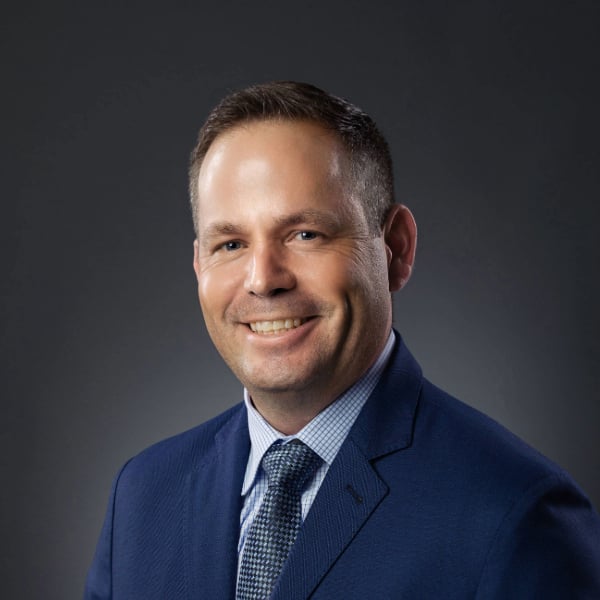
Brent Hillabrand
CEO & President
Carolina Handling
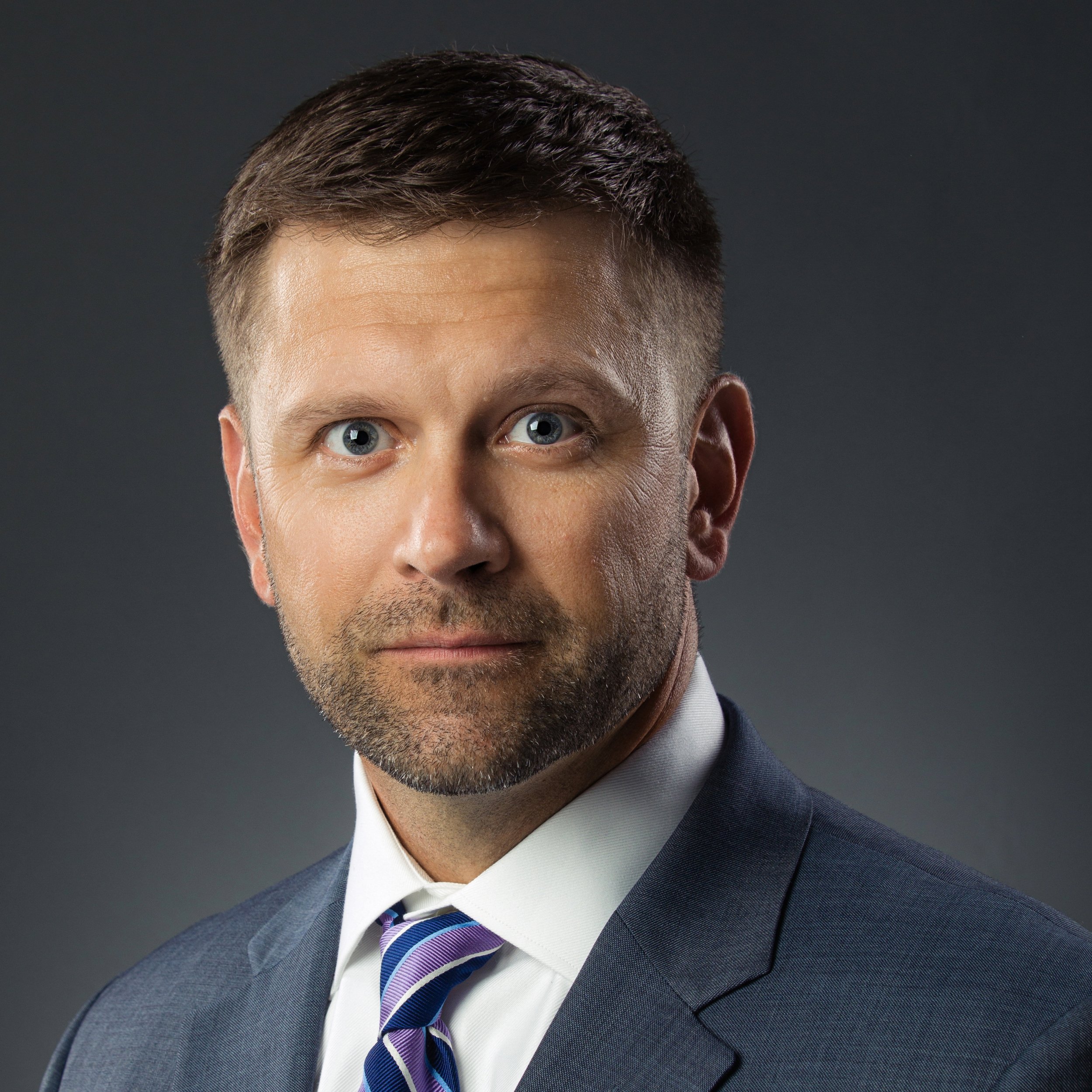
Joe Perkins
Chief Operating Officer
Carolina Handling
Guests:
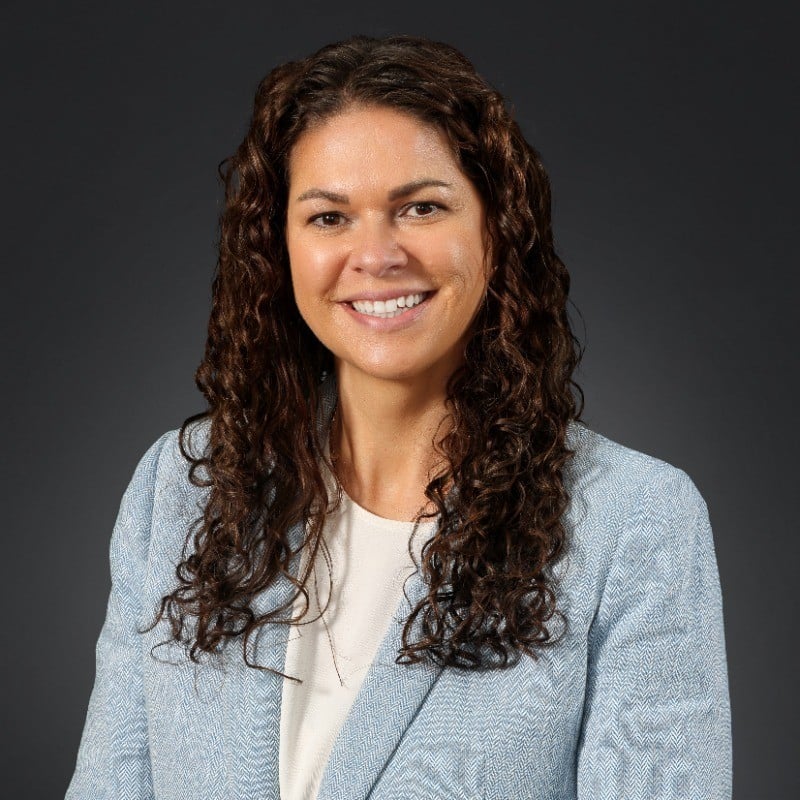
Lauren Murphy
EVP Human Resources
Carolina Handling

Mark Hernandez
Sr. Environmental Health & Safety Manager
Carolina Handling

