

Show Notes
Sixty years of change in material handling has revealed one hard truth. Most companies repeat the same mistakes, just with better technology.In this episode of Handled It, we unpack what actually drives long term success and what quietly holds leaders back. If you want practical insights on leadership, growth, automation, and operational strategy that actually work, this conversation delivers real world experience, not theory. Joe Perkins, COO, Brent Hillabrand, President and CEO, and Lauren Murphy, VP of HR, reflect on decades of evolution at Carolina Handling, from forklifts to robotics and unpack what has changed, what has not, and where companies still get it wrong.
What you will learn:
• Why garbage in, garbage out still applies in modern automation
• How growth exposes operational and leadership gaps
• When speed helps and when it hurts your business
• Why experience and gut instinct still matter in a data driven world
• How culture, trust, and workforce shifts are reshaping material handling
Whether you lead operations, manage supply chain strategy, or are navigating automation and workforce challenges, these lessons will help you avoid costly mistakes and make smarter decisions. Do not risk repeating the same leadership errors many companies have made over the last 60 years. Learn how to build systems, teams, and strategies that last.
Article mentioned in the episode: https://www.reuters.com/world/us/walmart-close-sams-club-fulfillment-center-texas-affecting-hundred…
Key Moments:
0:39 - Meet Joe, Brent & Lauren
5:04 - Principles That Survived 60 Years
9:48 - Has Technology Helped or Hurt Operations?
13:45 - Work-Life Balance & the Human Factor
18:05 - Are Today's Leaders Too Reactive
22:02 - The Mistakes That Keep Repeating
26:20 - From Forklift Dealer to Solutions Provider
32:33 - Sam's Club & the Mega-Facility Trend
43:36 - Agree or Disagree: Experience vs. Data
Transcript
Origins of Carolina Handling and Early Industry Culture
We started with five people in a gas station and we started as a forklift company. If we were the same company today, we wouldn't be 900 plus associates strong. Embracing the fact that what got us here today isn't going to get us there tomorrow, always.
Having in the back of your mind, the customer's view of you is actually the reality.
Do you think the technology has simplified operations or has it hidden poor decisions?
All right y'all, we're doing this.
Handled It: The Supply Chain Podcast.
Finally, finally for the podcast. We're excited to have some great conversations. I'm here with Joe Perkins and Brant Hillabrand. Joe and Brent, do you want to introduce yourselves and tell us a little bit about who you are?
Joe Perkins, Chief Operating Officer here at Carolina Handling. Been here for 14 years. Been a part of the organization for almost 25. Had the distinct pleasure of being a customer and seeing Carolina Handling from the other side before I got to experience it from this side.
Brent Hillebrand, President and CEO. I came to Carolina Handling in 2005. I started as the used equipment supervisor, then went into sales leadership and followed mostly a sales track to where I am today. I grew up in this business. My stepfather and mother ran a forklift dealership in Ohio.
Lauren Murphy, VP of HR. I lead HR, Recruiting, Learning and Development, and Safety. I've been in HR for nearly 20 years and at Carolina Handling for five.
Leadership Journeys and Backgrounds of the Hosts
Favorite phrase: be your authentic self.
Stories from early industry days include smoking in the shop, gambling, and forklift tricks like picking up coins with tilted forks. These moments reflect how much the industry has evolved.
Another story: cooling off in a freezer on a hot day only to have a shirt freeze solid. That was an early lesson in operations and safety.
How Material Handling Has Evolved Over 60 Years
Carolina Handling has been around for decades, and several principles have survived every major shift.
The model associates first, customer second, business execution third, remains foundational. When associates are empowered, customers are satisfied and the business thrives.
Why Associate‑First Cultures Drive Customer Satisfaction
Decision‑making is decentralized. Associates make decisions at the speed of business, customer requests, and peer needs. Empowering associates drives customer experience.
Serving the customer has always been the constant. Whether forklifts or robotics, the mission remains the same.
Innovation, Continuous Improvement, and Avoiding the Blockbuster Trap
Companies must evolve or disappear. Innovation and continuous improvement have always been necessary.
Flexibility has become essential, especially after Covid. Businesses must shift with customer demand, the economy, and the job market.
The Impact of Technology on Warehouse Operations
Technology has simplified operations but can also hide poor decisions.
Automation has replaced redundant tasks. Data helps decision‑making.
Automation, Data, and the Risk of Skill Degradation
Technology can degrade basic skills, including communication. Conversations remain essential in business.
Leaders must be intentional about staying connected. There's value in visiting people and shaking hands.
Human Factors That Matter More Today
Work‑life balance is a major priority.
Safety, ergonomics, belonging, and purpose matter more than ever.
Employees have more choices and more visibility into employers through social media.
Are Modern Leaders More Reactive?
Leaders today face overwhelming data and may lose gut instinct.
Fast growth and constant change can push leaders into reactive cycles.
The “Arsonist” Problem: Promoting High Performers Too Early
Rewarding firefighting behavior can create “arsonists." These are people who chase fires instead of leading.
Mistakes Companies Still Make Despite Better Tools
Ignoring innovation is a major mistake.
Automation and technology are double‑edged swords. Companies must rely on lean processes and continuous improvement to know when to adopt technology.
How Carolina Handling Evolved Beyond Forklifts
Carolina Handling evolved from a forklift dealer to a logistics solutions provider.
Solutions, not products, should dictate customer needs.
Why Being a Student of the Customer Is Essential
Companies often ignore what customers are telling them.
Understanding customer challenges is essential for meaningful conversations and strategic alignment.
Leading Change in a Transforming Organization
Carolina Handling shifted from forklifts to systems, integration, conveyor, robotics, and consulting.
Technicians initially feared automation work but found it easier than expected.
Change management requires giving people a clear picture of the future and involving them in the journey.
What Today’s Leaders Reject That Past Leaders Relied On
Trust looks different today. RFPs now require extensive documentation.
Long‑term loyalty to employers is less common.
Authoritative, militaristic leadership styles are no longer acceptable.
How the Industry and Workforce Expectations Have Shifted
Employees reject outdated leadership styles and expect empowerment, flexibility, and respect.
Modern Logistics Trends: Consolidation, Automation, and Efficiency
Companies like Walmart are consolidating facilities to reduce redundancy and improve efficiency.
Retailers have shifted to centralized distribution models to reduce inventory carrying costs.
Consumer Behavior Driving Logistics Change
Buy‑online‑pickup‑in‑store, post‑Covid retail habits, and demand for convenience drive logistics decisions.
Consumers expect fast delivery, even faster than going to a store.
Micro‑Logistics, Parts Distribution, and Supply Chain Strategy
Carolina Handling consolidated parts distribution to improve efficiency and reduce technician travel.
Consignments act as micro‑logistics centers.
Labor trends and economic development heavily influence facility decisions.
Long‑Term Risks of Consolidation and Automation
Shutting down facilities can create fear among employees.
Companies must evaluate supplier networks, near‑shoring trends, and economic shifts.
Flexibility must be built into every model.
Lessons from Covid and Facility Planning
Covid proved associates could work effectively from home.
New facilicies reflect on lessons learned, including more flexible space, more data, and more adaptability.
The Bottom Line on Consolidation Decisions
Consolidation isn’t just turning off one building and turning on another. It requires research, strategy, and alignment with customer needs.
Agree or Disagree: Leadership and Operations Debate
Experience vs. data, leadership’s role in technology failures, growth exposing weaknesses, simplicity as a luxury, and speed vs. accuracy.
Experience often contains logic that data lacks.
Technology failures often stem from leadership decisions.
Growth amplifies gaps unless planning is strong.
Simplicity must be intentional.
Speed without accuracy leads to mistakes, but failing fast can accelerate learning.
Closing Thoughts
Skill is built by subtracting what no longer serves you.
At Carolina Handling, we help operators simplify complexity so systems perform under pressure. From automation to layout and labor strategy, we focus on real‑world solutions.
Hosts:
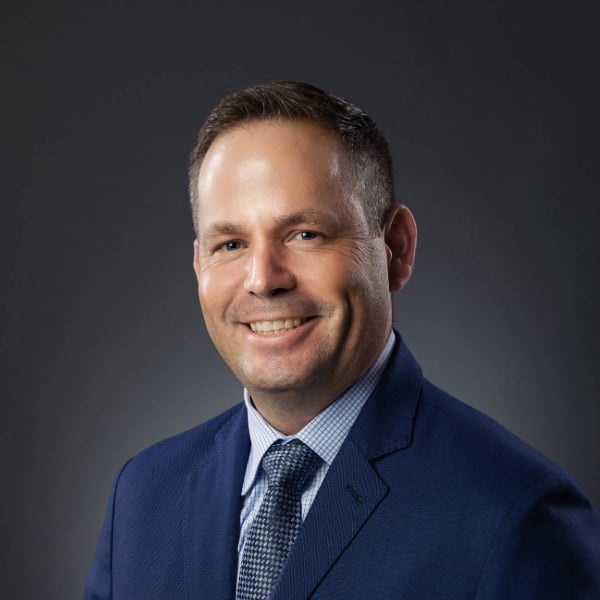
Brent Hillabrand
CEO & President
Carolina Handling

Joe Perkins
Chief Operating Officer
Carolina Handling
Guests:
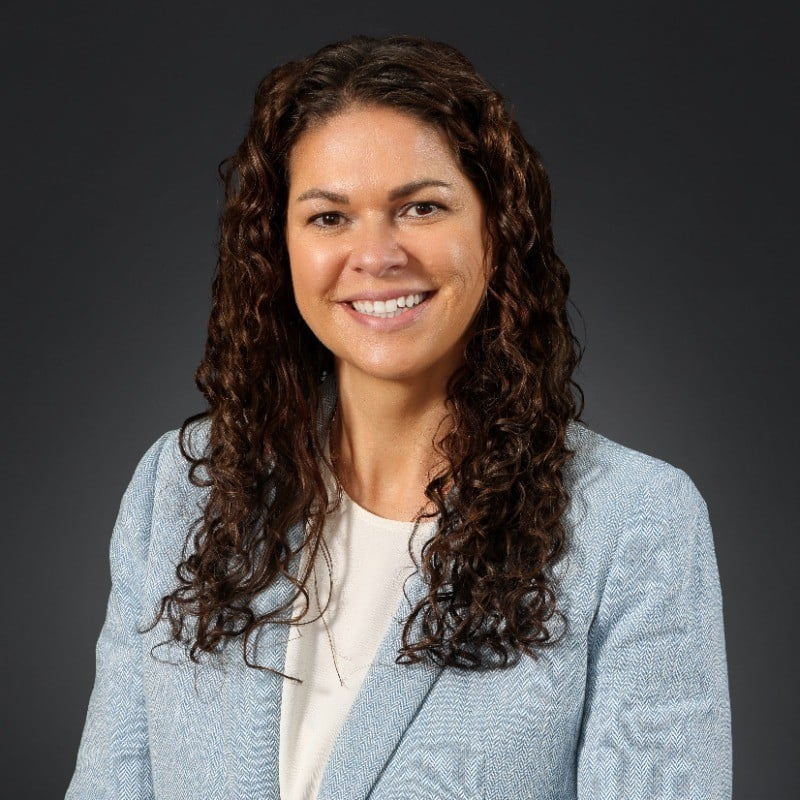
Lauren Murphy
EVP Human Resources
Carolina Handling

