

Show Notes
Joe Perkins (COO) and Brent Hillabrand (President and CEO) sit down with Lauren Murphy (VP of Human Relations) to unpack what actually holds a culture together, why strong cultures decay over time, and how leaders unintentionally reward the wrong behaviors. They talk through real examples from inside operations, the strain that growth puts on onboarding and leadership readiness, and why turnover cannot be solved by pay alone. If you lead teams in a fast moving environment, this episode will help you build trust, strengthen standards, and retain great people without defaulting to pizza parties or empty “words on the wall.”
What you’ll learn:
• Why culture breaks down when results matter more than how you get them
• How “high performers” can quietly reset the standard in the wrong direction
• The difference between culture you design and culture that happens in “a thousand moments”
• How leadership inconsistency creates “the call after the call” and kills trust
• What stability looks like when your business is changing fast
• How growth strains onboarding, coaching time, and leadership readiness
• Why turnover is a leadership problem first, not a pay problem
• How to build trust through clear accountability and honest conversations
• What it means to “treat people great and pay fairly” without chasing the market every week
• Practical ways to make values real through celebration, not just correction
• Don’t risk building a culture that only works when things are easy.
Learn how to strengthen culture and leadership development now so your standards hold, your people stay, and growth does not break what made the business work in the first place.
Key Moments:
0:00 – Intro: When results matter more than how you achieve them
0:24 – Why do cultures decay over time?
3:14 – The Jimmie Johnson / Cowboys story
4:44 – Can culture be designed vs. organically shaped?
9:33 – Leadership inconsistency & the "call after the call"
14:42 – Growth strain on culture & onboarding challenges
29:10 – People quit leaders, not jobs
33:20 – "Development equals retention"
38:45 – If you care about people, they won't want to leave
39:48 – Culture shaped by leadership or frontline teams?
Transcript
Culture is not a slogan on the wall. It is what shows up when things get hard.
One of the fastest ways culture begins to decay is when results matter more than how those results are achieved. When leaders focus only on performance, high performers who demonstrate the wrong behaviors can be rewarded. Over time, the standard shifts.
Another major issue is business. Leaders become consumed by day-to-day demands and lose intentionality with their people. Development conversations stop happening. Teams become reactive instead of prepared.
Leadership can also weaken culture when leaders refuse to relinquish control. If they hold onto too much rather than empowering their teams, capability never builds, and eventually the culture erodes.
Culture should absolutely be intentional. Organizations can define what they want people to feel, how they want people to behave, and the principles that should guide decisions.
But culture is ultimately shaped in the everyday moments when leadership is not in the room. It is reflected in how people interact, how decisions get made, and how people treat one another.
Words on the wall are not culture. Actions are.
A company can say safety is its top priority, but if unsafe behaviors are tolerated, the real culture becomes obvious.
Culture is reinforced less by executive messaging and more by what teams do every day.
One example discussed was how different regions within the same company may feel different culturally, but still operate from the same core values. Culture can have local personality while staying anchored to shared expectations.
Leadership plays a role in defining guardrails, but culture becomes strongest when teams themselves reinforce what is acceptable.
Celebrating the right behaviors matters. When people see servant leadership, respect, accountability, and collaboration being recognized, those behaviors spread. Over time, teams begin self-correcting.
That is when culture becomes resilient.
One core value discussed was fun.
But fun is not something leadership can simply declare. It cannot just be pizza parties or scheduled events. It has to show up in day-to-day interactions. Do people enjoy being around one another? Do they look forward to working together? Are they showing up to a workplace or showing up to a team?
That distinction matters.
Leadership Consistency and Psychological Safety
Leadership inconsistency creates confusion.
A key example was what happens after meetings: the “call after the call.” A leadership message gets delivered, then side conversations begin where disagreement and frustration are voiced privately instead of openly.
That behavior often points to a lack of psychological safety.
If people do not feel safe raising concerns directly, they save those conversations for private channels instead.
That fear can come from past experiences where leaders dismissed ideas, shut down input, or failed to act on concerns.
Trust matters here.
Do people believe their leader will support them? Do they feel safe bringing imperfect ideas forward? Do they believe they can challenge something respectfully without consequences?
Without that trust, culture weakens.
Another tension is leadership style.
Hierarchical leadership can unintentionally create distance, even when the intentions are good. Servant leadership, by contrast, creates connection and clarity.
Leaders who become overly focused on authority instead of support risk creating confusion, disengagement, and cultural drift.
Performance Pressure and Culture Drift
Pressure reveals culture.
When business performance drops, some leaders suddenly become highly focused on rules, accountability, or short-term results.
That inconsistency is dangerous.
If leaders only enforce standards when performance is weak, but relax them when numbers are strong, teams receive mixed signals.
The stronger leadership model is consistency.
Leaders should always focus on building teams, reinforcing behaviors, and helping people become their best, not switching leadership philosophies depending on quarterly results.
When leadership jerks the wheel repeatedly, teams eventually lose trust.
Growth and the Strain It Creates
Growth puts enormous pressure on culture.
Rapid hiring creates stress for recruiting, onboarding, managers, HR teams, and field trainers.
Teaching people how to do the work is difficult enough. Teaching them how the culture works at the same time adds another layer of complexity.
The challenge becomes even greater when leadership pipelines are thin.
Organizations often promote strong individual contributors into management roles because they excel technically, not necessarily because they are ready to lead people.
That creates strain across the organization.
New leaders may be learning leadership while also trying to preserve culture.
At the same time, experienced leaders have less time for coaching because growth consumes their schedules.
The result is a risk that onboarding says one thing, while real employee experience says another.
And employees notice.
Culture is what happens after onboarding.
It is what new hires experience when no one is formally presenting the company story.
Retention and Why People Really Leave
Too many organizations treat turnover like a fire to put out.
They throw compensation at the problem.
But pay often addresses symptoms, not root causes.
Retention is more complicated because people are complicated.
Different people value different things.
That means retention cannot rely on one universal fix.
Instead, organizations should examine the full employee lifecycle:
• hiring
• onboarding
• leadership quality
• development opportunities
• communication
• purpose
• trust
• employee experience
Leadership ownership is critical.
When someone leaves, weak organizations blame the employee.
Strong organizations ask:
What did we miss? What could we have done better? Did leadership fail to support this person? Did hiring miss something? Did we create the right development path?
Humility matters.
Retention improves when leaders reflect honestly rather than becoming defensive.
Development also plays a significant role.
People stay where they can grow.
Career pathing conversations are not just good HR practice, they directly affect culture.
When people do not know what growth looks like, disengagement increases.
If turnover becomes constant, organizations spend all their time rebuilding instead of strengthening culture.
At the center of retention is care.
If people genuinely feel cared for, supported, and developed, they are far less likely to leave.
Purpose and Meaning at Work
Compensation matters, but meaning matters too.
People do not always stay because of pay.
They stay because of connection, purpose, and impact.
A strong example discussed was leaders who define their work not by their tasks, but by the people they influence.
In leadership, the shift from defining work not by tasks but by the people they influence is powerful.
When employees understand why their work matters and how they contribute to something bigger, engagement improves.
Purpose strengthens retention.
Rapid Fire Culture Discussion
Is culture shaped more by leadership behavior than frontline teams?
Leadership establishes expectations, but frontline teams often become the keepers of culture through their daily behavior.
Can strong values survive weak systems?
Yes. Systems can be fixed. Broken character and weak values are much harder to repair.
Does formal training shape culture more than informal norms?
Training sets expectations, especially during onboarding, but behavior teaches culture more powerfully.
Can strong culture compensate for weak strategy?
Often yes. Strong cultures help teams make good decisions even when process is unclear.
Does accountability undermine trust?
No. Honest accountability strengthens trust when leaders are clear, respectful, and focused on development.
Culture is not built through slogans.
It is built through trust, consistency, accountability, care, leadership behavior, and the everyday actions people take when no one is watching.
Hosts:
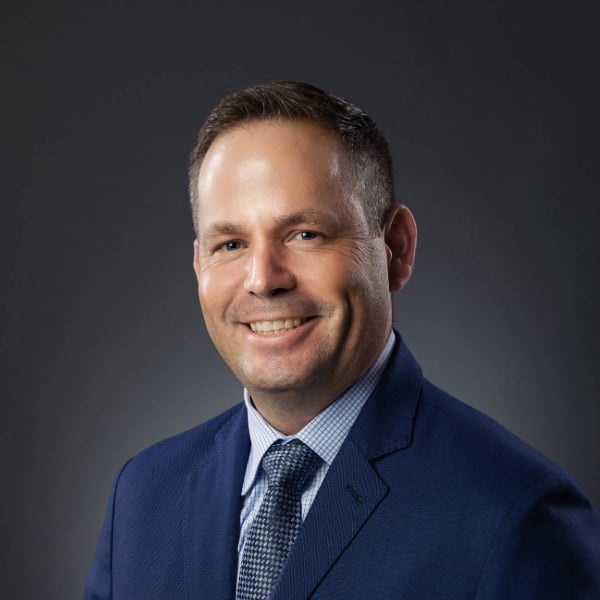
Brent Hillabrand
CEO & President
Carolina Handling
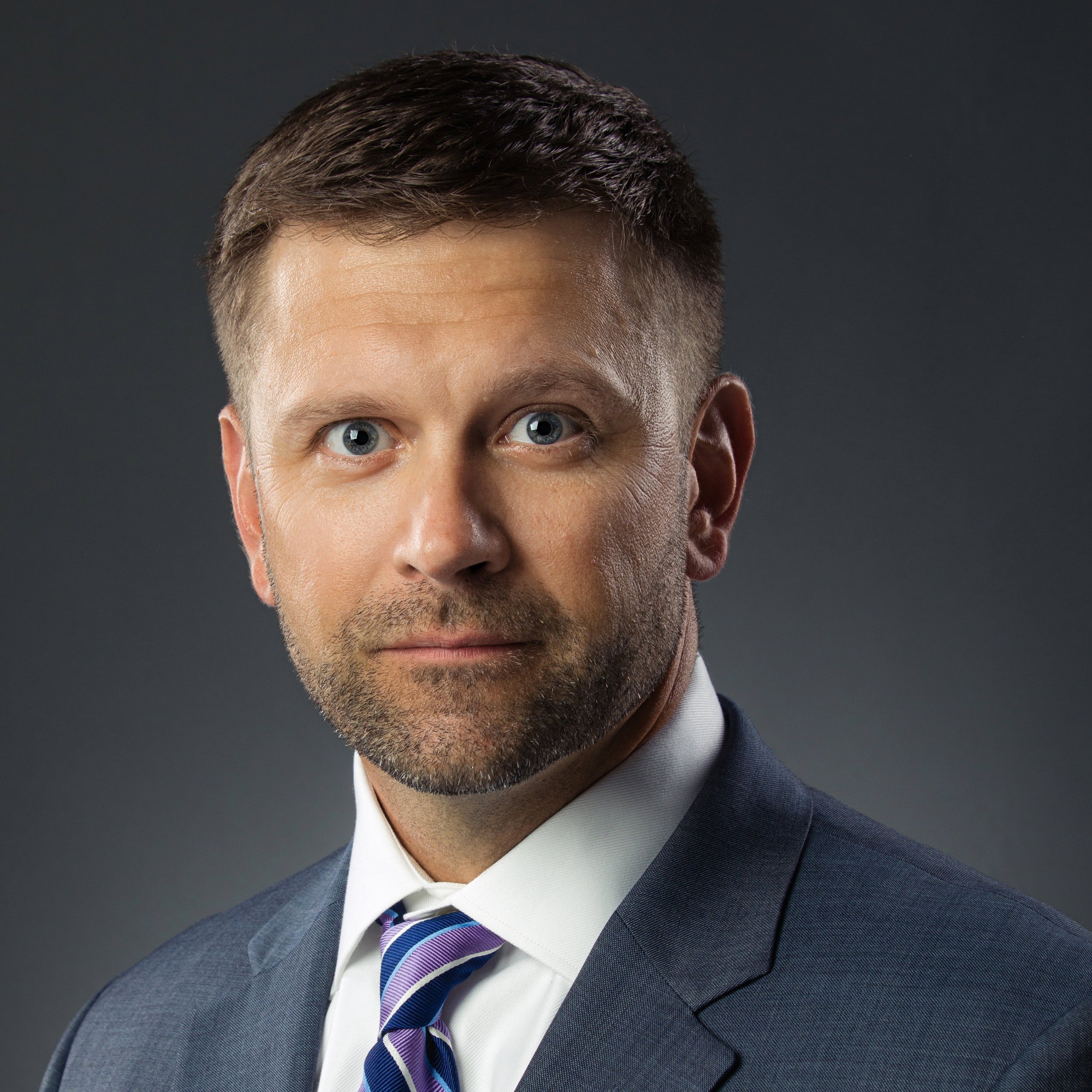
Joe Perkins
Chief Operating Officer
Carolina Handling
Guests:

Lauren Murphy
EVP Human Resources
Carolina Handling

